
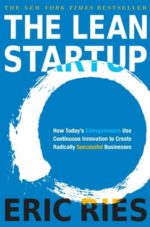
The Lean Startup: Build Smarter Businesses Through Continuous Learning and Innovation
Business Website Address : ceohack.co/refer/The-Lean-Startup
What Is The Lean Startup?
The Lean Startup is a bestselling entrepreneurship book by Eric Ries that introduces a systematic approach to building and growing businesses through continuous experimentation, validated learning, and customer feedback. The book popularized concepts such as the Minimum Viable Product (MVP), Build-Measure-Learn, and pivoting, helping entrepreneurs reduce risk while creating products customers actually want.
The Lean Startup: Stop Guessing and Start Learning
The Problem
Many businesses fail for the same reason.
They build something…
Before knowing whether anyone actually wants it.
Months of development.
Thousands of dollars invested.
Perfect branding.
Beautiful websites.
Sophisticated features.
Then…
No customers.
No traction.
No product-market fit.
The challenge isn't building faster.
It's learning faster.
What Is The Lean Startup?
The Lean Startup is a business methodology developed by Eric Ries that encourages entrepreneurs to test assumptions early, gather customer feedback quickly, and improve products through continuous learning.
Instead of spending years developing a "perfect" solution, entrepreneurs create a Minimum Viable Product (MVP), measure customer response, and use that information to improve or change direction.
For Builders, this approach reduces waste while increasing the likelihood of building products that solve real problems.
Why It Matters for Builders
Builders love creating.
Customers care about solutions.
Those aren't always the same thing.
Every assumption carries risk.
Every experiment creates knowledge.
The Lean Startup helps entrepreneurs replace opinions with evidence.
This creates leverage.
Instead of investing heavily before validating demand, founders learn quickly, adapt faster, and make smarter business decisions.
The result is less wasted time, lower development costs, and a stronger chance of achieving product-market fit.
3 Practical Use Cases
Use Case #1: Validating Business Ideas
Problem
Entrepreneurs invest heavily before confirming customer demand.
How The Lean Startup Helps
The MVP approach allows businesses to test ideas with real users before making major investments.
Business Outcome
Reduced risk and better-informed business decisions.
Use Case #2: Improving Products Through Feedback
Problem
Companies often build features customers don't actually need.
How The Lean Startup Helps
Customer feedback guides product improvements and future development.
Business Outcome
Products that better match market demand.
Use Case #3: Adapting to Market Changes
Problem
Businesses struggle when original plans no longer fit customer needs.
How The Lean Startup Helps
The concept of pivoting encourages strategic adjustments based on evidence rather than assumptions.
Business Outcome
Greater agility and improved long-term growth.
CEO Growth Hack
Most entrepreneurs ask:
"How can we build this?"
The smartest entrepreneurs ask:
"Should we build this at all?"
Every product idea begins as a hypothesis.
The market decides whether it's true.
The mindset shift The Lean Startup encourages is moving from building products to testing assumptions.
Instead of asking:
"What do we think customers want?"
Ask:
"What have customers shown us they actually want?"
This is how Builders become Architects.
Builders create products.
Architects create learning systems.
Builders defend ideas.
Architects validate ideas.
The companies that innovate consistently aren't the ones that avoid mistakes.
They're the ones that learn from them the fastest.
Key Benefits
- Reduces business risk
- Encourages rapid experimentation
- Introduces the Minimum Viable Product (MVP)
- Promotes customer-driven product development
- Improves product-market fit
- Supports continuous innovation
- Encourages data-driven decision-making
- Builds adaptable, resilient businesses
Best For
- Entrepreneurs
- Founders
- CEOs
- Startup Teams
- Product Managers
- Innovators
- Business Owners
- Investors
- Consultants
- Anyone launching a new product or service
CEO Nugget
The fastest-growing businesses aren't always the fastest builders—they're the fastest learners.
Ready to Simplify This?
If you're launching a business, developing a product, or entering a new market, The Lean Startup provides a practical framework for testing ideas, learning from customers, and building with confidence instead of guesswork.
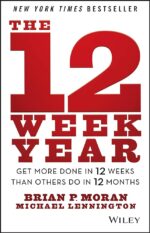
The 12 Week Year: Accomplish More in 12 Weeks Than Most Do in 12 Months
Business Website Address : ceohack.co/refer/the-12-week-year
What Is The 12 Week Year?
The 12 Week Year is a business productivity and execution book by Brian P. Moran and Michael Lennington that teaches entrepreneurs and professionals how to achieve more by treating 12 weeks as a complete execution cycle rather than operating on traditional annual planning timelines.
The 12 Week Year: Accomplish More in 12 Weeks Than Most Do in 12 Months
The Problem
Most entrepreneurs start the year with ambitious goals.
Increase revenue.
Launch a product.
Build a team.
Improve operations.
Expand marketing.
Create systems.
Then reality happens.
January feels productive.
February gets busy.
March introduces unexpected challenges.
By the middle of the year, priorities have shifted and momentum has faded.
The problem is not goal setting.
The problem is urgency.
When entrepreneurs believe they have an entire year to achieve a goal, execution often slows.
Procrastination increases.
Priorities become diluted.
And important projects get pushed to "later."
Unfortunately, later rarely arrives.
The challenge isn't knowing what to do.
The challenge is consistently executing before opportunities disappear.
What Is The 12 Week Year?
The 12 Week Year is a productivity and performance framework that challenges the traditional annual planning model.
Instead of setting goals over a 12-month period, the framework encourages entrepreneurs to plan and execute within focused 12-week cycles.
The premise is simple:
Shorter execution windows create greater urgency, stronger accountability, and more consistent action.
For entrepreneurs, this creates a practical system for turning goals into measurable progress without waiting for a new quarter or a new year to start making changes.
Why It Matters for Builders
Builders often struggle with one common challenge:
They know what matters, but they don't consistently act on it.
Important projects become buried beneath daily operations.
Strategic initiatives get delayed.
Growth activities compete with urgent tasks.
Weeks become months.
Months become years.
The 12 Week Year addresses this challenge by compressing the planning horizon.
When every week matters, focus improves.
When focus improves, execution improves.
When execution improves, results follow.
This creates leverage.
Instead of managing endless to-do lists, entrepreneurs learn to identify and prioritize the few actions that generate the greatest impact.
The result is faster progress and more meaningful business outcomes.
3 Practical Use Cases
Use Case #1: Accelerating Business Growth Goals
Problem
Annual goals often lose momentum because deadlines feel too distant.
How The 12 Week Year Helps
Entrepreneurs break large goals into shorter execution cycles with clear priorities.
Business Outcome
Greater focus, faster progress, and improved accountability.
Use Case #2: Completing Strategic Projects
Problem
Important initiatives repeatedly get postponed due to operational distractions.
How The 12 Week Year Helps
The framework creates urgency and structure around execution.
Business Outcome
More completed projects and fewer unfinished priorities.
Use Case #3: Improving Team Accountability
Problem
Teams often struggle to maintain momentum on long-term objectives.
How The 12 Week Year Helps
Shorter planning cycles create clearer expectations and measurable performance checkpoints.
Business Outcome
Stronger accountability and improved execution consistency.
CEO Growth Hack
Most entrepreneurs overestimate what they can accomplish in a day.
And underestimate what they can accomplish in 12 focused weeks.
The mindset shift The 12 Week Year enables is moving from planning to execution.
Many businesses suffer from strategy overload.
They have goals.
Plans.
Ideas.
Vision.
What they lack is disciplined implementation.
This is how Builders become Architects.
Builders create annual wish lists.
Architects create execution systems.
Builders focus on intentions.
Architects focus on actions.
The businesses that grow fastest are rarely the ones with the biggest goals.
They are the ones that consistently execute on the most important priorities.
Execution is the ultimate competitive advantage.
Key Benefits
- Improves execution focus
- Creates greater accountability
- Accelerates goal achievement
- Reduces procrastination
- Encourages strategic prioritization
- Improves productivity
- Helps complete important projects
- Creates consistent momentum
Best For
- Entrepreneurs
- Founders
- CEOs
- Consultants
- Coaches
- Agency Owners
- Sales Leaders
- Operations Managers
- Business Teams
- High-Performance Professionals
CEO Nugget
Success rarely comes from having more time. It comes from creating more urgency around what matters most.
Ready to Simplify This?
If you're tired of setting annual goals that never seem to get completed, The 12 Week Year can help create a more effective execution system so you can spend more time achieving meaningful results and less time managing unfinished priorities.
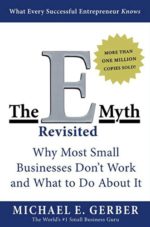
The E-Myth Revisited: Build a Business That Works Without Depending on You
Business Website Address : ceohack.co/refer/The-E-Myth-Revisited
What Is The E-Myth Revisited?
The E-Myth Revisited: Why Most Small Businesses Don't Work and What to Do About It is a bestselling business book by Michael E. Gerber that explains why many small businesses struggle to grow. The book emphasizes building systems, documenting processes, and working on the business instead of constantly working in it, helping entrepreneurs create companies that can scale and operate more independently.
The E-Myth Revisited: Stop Building a Job for Yourself—Start Building a Business
The Problem
Many entrepreneurs start businesses for freedom.
Then lose it.
They become the salesperson.
The accountant.
The marketer.
The customer support representative.
The operations manager.
The technician.
The business depends on them for everything.
Taking a vacation feels impossible.
Growth slows.
Burnout follows.
The challenge isn't starting a business.
It's building one that can succeed without your constant involvement.
What Is The E-Myth Revisited?
The E-Myth Revisited is a business classic by Michael E. Gerber that challenges the belief that technical expertise alone leads to business success.
Gerber argues that many entrepreneurs become trapped because they spend all their time working in the business instead of designing systems that allow the business to operate efficiently.
For Builders, the book provides a practical framework for creating scalable organizations built on repeatable processes rather than individual effort.
Why It Matters for Builders
Builders often wear every hat.
At first…
That's necessary.
Eventually…
It becomes the biggest obstacle to growth.
Every undocumented process creates dependency.
Every decision requiring the owner's approval slows progress.
The E-Myth Revisited encourages entrepreneurs to think like architects instead of technicians.
This creates leverage.
Instead of solving the same problems repeatedly, founders build systems that produce consistent results regardless of who performs the work.
The result is a business that's easier to grow, delegate, and eventually step away from.
3 Practical Use Cases
Use Case #1: Documenting Business Processes
Problem
Critical knowledge exists only in the owner's head.
How The E-Myth Revisited Helps
The book encourages creating documented systems for recurring tasks.
Business Outcome
Greater consistency and easier employee training.
Use Case #2: Delegating Responsibilities
Problem
Founders become bottlenecks because every decision depends on them.
How The E-Myth Revisited Helps
Clear systems make delegation more effective and less risky.
Business Outcome
More scalable operations and reduced owner burnout.
Use Case #3: Building a Scalable Business
Problem
Growth becomes difficult when success depends on one person's time.
How The E-Myth Revisited Helps
The book promotes designing businesses that function through repeatable processes.
Business Outcome
Long-term growth and increased business value.
CEO Growth Hack
Most entrepreneurs ask:
"How can I get more done?"
The smartest entrepreneurs ask:
"How can this get done without me?"
Every repetitive task should become a documented process.
Every process should become a system.
Every system should reduce dependence on the founder.
The mindset shift The E-Myth Revisited encourages is moving from being the business to building the business.
Instead of asking:
"How do I work harder?"
Ask:
"How do I build a business that works even when I'm not working?"
This is how Builders become Architects.
Builders create businesses.
Architects create systems.
Builders solve today's problems.
Architects prevent tomorrow's problems.
The businesses that achieve lasting success aren't built around extraordinary individuals.
They're built around extraordinary systems.
Key Benefits
- Encourages system-driven business growth
- Helps entrepreneurs delegate effectively
- Reduces owner dependency
- Improves operational consistency
- Supports scalable business development
- Simplifies employee training
- Builds long-term business value
- Promotes strategic leadership
Best For
- Entrepreneurs
- Founders
- CEOs
- Small Business Owners
- Franchise Operators
- Consultants
- Coaches
- Service-Based Businesses
- Startup Leaders
- Anyone looking to scale a business
CEO Nugget
If your business can't operate without you, you've created a job—not a scalable company.
Ready to Simplify This?
If you're ready to stop being the bottleneck in your business, The E-Myth Revisited provides timeless strategies for building systems, empowering your team, and creating a company that can grow beyond your daily involvement.

The 10X Rule: Think Bigger, Take Massive Action, and Achieve Extraordinary Success
Business Website Address : ceohack.co/refer/The-10X-Rule
What Is The 10X Rule?
The 10X Rule: The Only Difference Between Success and Failure is a bestselling business and personal development book by Grant Cardone. The book encourages readers to set goals that are significantly larger than they think possible and to match those goals with extraordinary levels of action, discipline, and persistence.
The 10X Rule: Success Isn't About Doing More—It's About Thinking Bigger
The Problem
Many entrepreneurs don't fail because they lack talent.
They fail because they underestimate what's required.
They set modest goals.
Create average plans.
Take average action.
Then wonder why extraordinary success remains out of reach.
Business is competitive.
Markets evolve.
Opportunities don't wait.
The challenge isn't simply working harder.
It's aligning your actions with the size of your ambitions.
What Is The 10X Rule?
The 10X Rule is a business and mindset book by Grant Cardone that challenges readers to dramatically increase both their goals and the level of action they take to achieve them.
The central idea is that most people underestimate the effort required for success. By setting larger goals and consistently taking greater action, entrepreneurs can improve their chances of achieving exceptional results.
For Builders, the book serves as a reminder that significant growth often requires an equally significant commitment.
Why It Matters for Builders
Builders often think they have an execution problem.
Sometimes they have an expectation problem.
Businesses rarely grow by accident.
Growth demands persistence.
Consistency.
Resilience.
Adaptability.
And sustained effort.
The 10X Rule encourages entrepreneurs to expand both their vision and their willingness to act.
This creates leverage.
Instead of settling for incremental progress, founders develop the mindset and discipline to pursue ambitious objectives with greater intensity.
The result is increased confidence, stronger execution, and a higher standard for personal performance.
3 Practical Use Cases
Use Case #1: Setting Bigger Business Goals
Problem
Entrepreneurs often limit growth by setting goals that are too conservative.
How The 10X Rule Helps
The book encourages readers to think beyond conventional expectations.
Business Outcome
Greater ambition and more transformative business opportunities.
Use Case #2: Increasing Consistent Action
Problem
Many business plans fail because execution isn't sustained.
How The 10X Rule Helps
The book emphasizes consistent, persistent action over occasional bursts of effort.
Business Outcome
Improved execution and stronger long-term momentum.
Use Case #3: Building Mental Resilience
Problem
Setbacks cause many entrepreneurs to lower their expectations.
How The 10X Rule Helps
The book promotes persistence and personal responsibility during challenging periods.
Business Outcome
Greater resilience and stronger leadership under pressure.
CEO Growth Hack
Most entrepreneurs ask:
"How much work will this take?"
The smartest entrepreneurs ask:
"Am I underestimating what's required?"
Big goals don't become reality through average effort.
They become reality through sustained commitment.
The mindset shift The 10X Rule encourages is moving from hoping for success to preparing for the work success demands.
Instead of asking:
"Is this enough?"
Ask:
"What would extraordinary execution look like?"
This is how Builders become Architects.
Builders pursue opportunities.
Architects create momentum.
Builders work until it's difficult.
Architects continue until the mission is complete.
The businesses that achieve remarkable growth are often led by people willing to outwork expectations while continually raising their standards.
Key Benefits
- Encourages ambitious goal setting
- Promotes consistent execution
- Builds resilience and persistence
- Strengthens leadership mindset
- Increases personal accountability
- Helps overcome limiting beliefs
- Inspires disciplined action
- Supports long-term business growth
Best For
- Entrepreneurs
- Founders
- CEOs
- Sales Professionals
- Business Owners
- Startup Leaders
- Consultants
- Coaches
- Executives
- Anyone seeking higher performance
CEO Nugget
Big goals require big action—but lasting success comes from showing up with consistency long after motivation fades.
Ready to Simplify This?
If you're ready to think bigger, raise your standards, and commit to the level of action your goals truly require, The 10X Rule offers a practical mindset for pursuing extraordinary success through discipline, persistence, and bold execution.
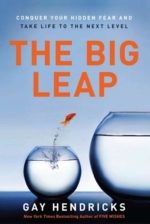
The Big Leap: Break Through Your Hidden Limits and Reach Your Full Potential
Business Website Address : ceohack.co/refer/the-big-leap
What Is The Big Leap?
The Big Leap is a bestselling personal development and leadership book by Gay Hendricks that explores the hidden beliefs and subconscious patterns that limit success. The book introduces concepts such as the "Upper Limit Problem" and the "Zone of Genius," helping entrepreneurs, leaders, and professionals unlock higher levels of performance, fulfillment, and impact.
The Big Leap: The Greatest Obstacle to Your Success Might Be You
The Problem
Most entrepreneurs believe success is limited by external obstacles.
Competition.
Funding.
Marketing.
Hiring.
Economic conditions.
Sometimes that's true.
But often...
The biggest obstacle isn't outside the business.
It's inside the entrepreneur.
Fear of success.
Fear of failure.
Fear of change.
Imposter syndrome.
Self-doubt.
Many leaders unknowingly sabotage opportunities just as they're about to reach a new level of growth.
The challenge isn't always building a better business.
Sometimes it's becoming the person capable of leading it.
What Is The Big Leap?
The Big Leap is a personal development book by Gay Hendricks that helps readers recognize and overcome subconscious beliefs that limit success.
The book introduces two influential ideas:
- The Upper Limit Problem, which explains why people often unconsciously hold themselves back after achieving success.
- The Zone of Genius, which encourages individuals to focus their time and energy on the work where they create the greatest value and experience the most fulfillment.
For Builders, these concepts provide a framework for overcoming internal barriers that can prevent sustainable growth.
Why It Matters for Builders
Builders often focus on improving their businesses.
The smartest entrepreneurs also improve themselves.
Every business eventually reflects the mindset of its leader.
If the founder fears growth...
The business slows.
If the founder avoids delegation...
The company stalls.
If the founder refuses to step into their strengths...
The organization reaches a ceiling.
The Big Leap encourages entrepreneurs to identify these invisible barriers.
This creates leverage.
Instead of continually solving external problems, founders learn to remove internal limitations that affect every decision they make.
The result is stronger leadership, greater confidence, and more sustainable growth.
3 Practical Use Cases
Use Case #1: Overcoming Self-Limiting Beliefs
Problem
Entrepreneurs unknowingly sabotage opportunities when success feels uncomfortable.
How The Big Leap Helps
The book helps readers recognize patterns associated with the Upper Limit Problem.
Business Outcome
Greater confidence and fewer self-imposed limitations.
Use Case #2: Discovering Your Zone of Genius
Problem
Founders spend too much time on work that others could do.
How The Big Leap Helps
The book encourages readers to identify the unique work where they create the most value.
Business Outcome
Better delegation, higher productivity, and increased fulfillment.
Use Case #3: Becoming a Stronger Leader
Problem
Business growth often requires personal growth that entrepreneurs haven't yet developed.
How The Big Leap Helps
The book provides practical mindset shifts that support long-term leadership development.
Business Outcome
More effective decision-making and sustainable business growth.
CEO Growth Hack
Most entrepreneurs believe their next breakthrough requires a better strategy.
The smartest entrepreneurs know it often requires a better mindset.
Every business eventually reaches the limits of its leader.
Growth begins where self-imposed limitations end.
The mindset shift The Big Leap encourages is moving from managing your business to mastering yourself.
Instead of asking:
"What's stopping my business from growing?"
Ask:
"What's stopping me from leading at the next level?"
This is how Builders become Architects.
Builders solve external problems.
Architects solve internal ones.
Builders improve businesses.
Architects improve themselves.
The companies that achieve extraordinary growth are often led by people who were willing to confront their own limitations first.
Key Benefits
- Identifies self-limiting beliefs
- Introduces the Upper Limit Problem
- Helps readers discover their Zone of Genius
- Strengthens leadership mindset
- Encourages intentional delegation
- Builds confidence and self-awareness
- Supports long-term personal growth
- Improves entrepreneurial decision-making
Best For
- Entrepreneurs
- Founders
- CEOs
- Executives
- Coaches
- Consultants
- Business Owners
- Team Leaders
- Professionals
- Anyone pursuing personal growth
CEO Nugget
Your business can rarely outgrow the mindset of the person leading it.
Ready to Simplify This?
If you're ready to break through the invisible barriers holding back your business and your personal growth, The Big Leap offers practical insights that can help you lead with greater confidence, operate in your Zone of Genius, and reach the next level of success.

The ONE Thing: Focus on What Matters Most to Achieve Extraordinary Results
Business Website Address : ceohack.co/refer/The-One-Thing
What Is The ONE Thing?
The ONE Thing: The Surprisingly Simple Truth Behind Extraordinary Results is a bestselling productivity and business book by Gary Keller and Jay Papasan. The book teaches readers how to identify the single most important task that will have the greatest impact on their goals, helping them improve productivity, decision-making, and long-term success through focused execution.
The ONE Thing: Extraordinary Results Come From Extraordinary Focus
The Problem
Modern entrepreneurs are surrounded by opportunities.
Emails.
Meetings.
Social media.
Marketing.
Sales.
Operations.
Hiring.
Content.
Every task feels important.
Every notification demands attention.
Many business owners spend entire days staying busy...
Without making meaningful progress.
The challenge isn't working harder.
It's knowing what deserves your attention first.
What Is The ONE Thing?
The ONE Thing is a productivity and success book that argues extraordinary results come from focusing on the highest-impact activity rather than trying to do everything at once.
The book introduces practical frameworks for prioritization, time blocking, goal setting, and eliminating distractions so readers can make consistent progress toward their biggest objectives.
For Builders, it offers a disciplined approach to accomplishing more by intentionally doing less.
Why It Matters for Builders
Builders often confuse activity with achievement.
Checking emails feels productive.
Attending meetings feels productive.
Responding to messages feels productive.
But productivity isn't measured by how much you do.
It's measured by what moves the business forward.
The ONE Thing helps entrepreneurs identify the work that creates the greatest long-term impact.
This creates leverage.
Instead of dividing attention across dozens of competing priorities, founders focus their energy where it generates the biggest results.
The result is greater clarity, improved execution, and sustainable business growth.
3 Practical Use Cases
Use Case #1: Prioritizing Daily Work
Problem
Entrepreneurs struggle to decide what deserves their attention each day.
How The ONE Thing Helps
The book teaches readers to identify the highest-impact task before addressing lower-value work.
Business Outcome
Greater productivity and more meaningful progress.
Use Case #2: Reducing Distractions
Problem
Constant interruptions make deep, focused work difficult.
How The ONE Thing Helps
Practical strategies encourage time blocking and intentional focus.
Business Outcome
Improved concentration and higher-quality work.
Use Case #3: Achieving Long-Term Goals
Problem
Ambitious goals often feel overwhelming because attention is spread across too many priorities.
How The ONE Thing Helps
Readers learn to break major goals into focused actions completed consistently over time.
Business Outcome
Steady progress toward significant business and personal objectives.
CEO Growth Hack
Most entrepreneurs ask:
"How can I do more?"
The smartest entrepreneurs ask:
"What should I stop doing?"
Success isn't built by saying yes to everything.
It's built by protecting your attention.
Every "yes" carries the cost of a hundred other opportunities.
The mindset shift The ONE Thing encourages is moving from multitasking to meaningful focus.
Instead of asking:
"What's on my to-do list?"
Ask:
"What's the one task that makes everything else easier or unnecessary?"
This is how Builders become Architects.
Builders stay busy.
Architects create momentum.
Builders manage tasks.
Architects manage priorities.
The entrepreneurs who achieve extraordinary results aren't necessarily working longer hours.
They're consistently focusing on the work that matters most.
Key Benefits
- Improves prioritization
- Increases focus and productivity
- Reduces distractions
- Encourages time blocking
- Supports long-term goal achievement
- Improves decision-making
- Eliminates low-value work
- Creates sustainable business momentum
Best For
- Entrepreneurs
- Founders
- CEOs
- Executives
- Managers
- Consultants
- Coaches
- Students
- Professionals
- Anyone seeking greater productivity
CEO Nugget
Success isn't about doing everything. It's about doing the one thing that changes everything else.
Ready to Simplify This?
If you're overwhelmed by endless tasks and competing priorities, The ONE Thing offers a practical framework to help you identify your highest-impact work, eliminate distractions, and achieve extraordinary results through focused action.

The Personal MBA: Learn Business Fundamentals Without Going Back to School
Business Website Address : ceohack.co/refer/the-personal-mba
What Is The Personal MBA?
The Personal MBA is a business education book by Josh Kaufman that teaches the core principles of business, entrepreneurship, marketing, sales, value creation, systems thinking, and decision-making. It provides entrepreneurs with a practical framework for understanding how businesses work without requiring a traditional MBA program.
The Personal MBA: Learn Business Fundamentals Without Going Back to School
The Problem
Many entrepreneurs start businesses because they are experts at something.
They're great designers.
Excellent consultants.
Talented marketers.
Skilled developers.
Outstanding service providers.
But running a business requires far more than technical expertise.
Suddenly they need to understand sales, marketing, finance, operations, customer behavior, productivity, negotiation, pricing, systems, and leadership.
Most founders learn these lessons through trial and error.
Unfortunately, trial and error can be expensive.
Bad decisions cost money.
Poor systems waste time.
Weak positioning slows growth.
And a lack of business fundamentals creates unnecessary obstacles.
The challenge is not intelligence.
The challenge is acquiring practical business knowledge quickly enough to support growth.
What Is The Personal MBA?
The Personal MBA is a comprehensive business education book designed to teach the most important principles of business without requiring a formal MBA degree.
Rather than focusing on academic theory, the book explores practical concepts that entrepreneurs can immediately apply to their businesses.
It covers essential business topics such as value creation, marketing, sales, negotiation, productivity, systems thinking, decision-making, operations, and human behavior.
For Builders, it provides a broad business foundation that can improve both daily execution and long-term strategic thinking.
Why It Matters for Builders
Most entrepreneurs spend years learning isolated business skills.
One year they focus on marketing.
The next year they study sales.
Then leadership.
Then productivity.
Then finance.
The result is fragmented knowledge.
The Personal MBA helps connect these disciplines into a single business framework.
This creates leverage.
When entrepreneurs understand how different parts of a business interact, they make better decisions.
They identify problems faster.
They allocate resources more effectively.
And they avoid common mistakes that slow growth.
Instead of reacting to business challenges, they begin understanding the systems that create those challenges in the first place.
3 Practical Use Cases
Use Case #1: Building Business Knowledge Quickly
Problem
New entrepreneurs often lack formal business education but need to make important decisions immediately.
How The Personal MBA Helps
The book provides a practical overview of core business concepts that can be applied across industries.
Business Outcome
Improved confidence and stronger decision-making.
Use Case #2: Strengthening Strategic Thinking
Problem
Business owners frequently focus on daily operations without understanding the larger systems affecting performance.
How The Personal MBA Helps
The framework encourages systems thinking and holistic business analysis.
Business Outcome
More effective planning and improved long-term results.
Use Case #3: Improving Business Performance
Problem
Growth often stalls because entrepreneurs optimize one area while neglecting others.
How The Personal MBA Helps
The book introduces interconnected business concepts that help leaders identify leverage points throughout the organization.
Business Outcome
More balanced growth and stronger business performance.
CEO Growth Hack
Most entrepreneurs think success comes from learning more tactics.
The best entrepreneurs understand success comes from understanding systems.
Marketing is a system.
Sales is a system.
Operations is a system.
Leadership is a system.
Business itself is a system.
The mindset shift The Personal MBA enables is moving from skill collection to business mastery.
Builders often ask:
"What tactic should I use next?"
Architects ask:
"What system is creating this result?"
This is how Builders become Architects.
Builders solve problems one at a time.
Architects understand the structures creating those problems.
The more deeply you understand how businesses work, the fewer decisions become guesses.
And fewer guesses usually lead to better outcomes.
Key Benefits
- Builds foundational business knowledge
- Improves decision-making abilities
- Encourages systems thinking
- Strengthens strategic planning
- Helps identify business leverage points
- Supports entrepreneurial growth
- Provides practical business education
- Improves overall business understanding
Best For
- Entrepreneurs
- Founders
- CEOs
- Consultants
- Coaches
- Agency Owners
- Startup Leaders
- Small Business Owners
- Business Students
- Lifelong Learners
CEO Nugget
The most valuable business education is the one you actually apply.
Ready to Simplify This?
If you're spending too much time learning business lessons through costly mistakes, The Personal MBA can help provide a stronger foundation so you can spend more time making smart decisions and less time fixing preventable problems.